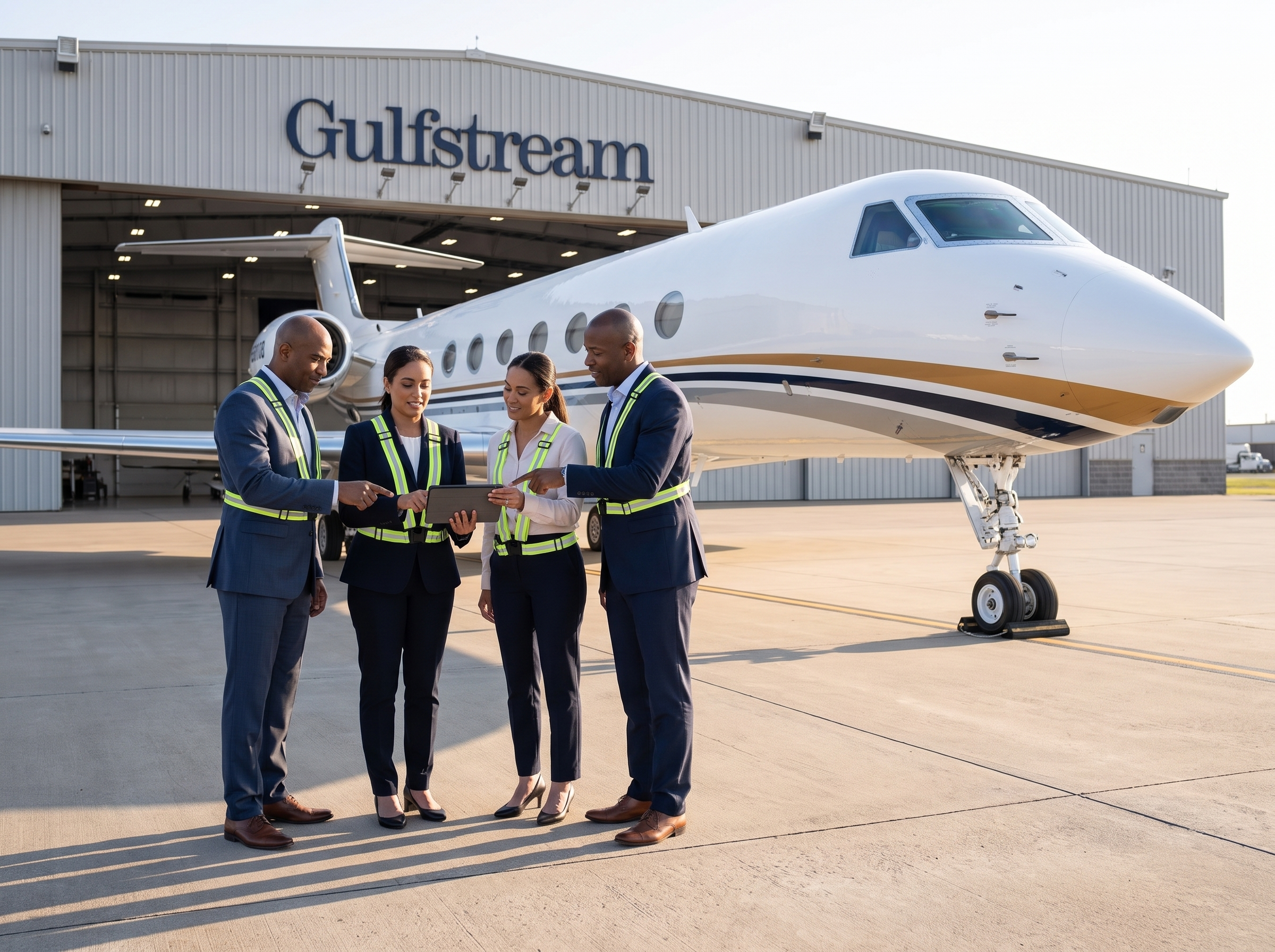
Business aviation aircraft operating in the United States
USA FLIGHT SUPPORT

Flight support across the United States. Connected airport by airport.

Aerxia coordinates FBOs, ground handling, aviation fuel, international arrival requirements, crew, passengers and transportation around business aviation missions across the United States.

01 / U.S. Operations

Extensive infrastructure. Airport-level decisions still matter.

01 / AIRPORT

Choose the right station.

Destination, runway requirements, access, traffic and local procedures influence airport selection.
02 / FBO

Understand the local options.

Service capabilities, fuel programs, fees and operational fit can differ between providers at the same airport.

03 / ACCESS

Review airport conditions.

PPR, reservations, parking programs or special procedures may apply at certain airports or periods.

04 / SERVICES

Build the turnaround.

Fuel, aircraft services, crew, passengers and transportation remain part of the same timeline.

05 / MISSION

Keep everything connected.

Coordinate local execution with route, schedule and international requirements.

International Arrivals

Crossing the border changes the operation. Prepare before departure.

International general aviation arrivals into the United States require coordination beyond selecting an FBO. Manifest, CBP and airport-specific procedures should be aligned before the aircraft departs the foreign station.

U.S. Customs and Border Protection procedures can vary by port and mission. Current CBP requirements should be confirmed for the specific international arrival.
01

APIS

Required passenger and crew manifest information should be transmitted according to applicable CBP procedures.

02

Permission to land

A compliant APIS transmission does not replace coordination with the responsible CBP port for permission to land.

03

Port procedures

Arrival times, processing locations, advance notice and local operating procedures can differ between CBP ports.

04

Border Overflight

Certain operations arriving from areas south of the United States may need to consider applicable border overflight requirements or exemptions.

05

Destination execution

Customs processing should remain connected to the selected airport, FBO, ground transportation and turnaround plan.

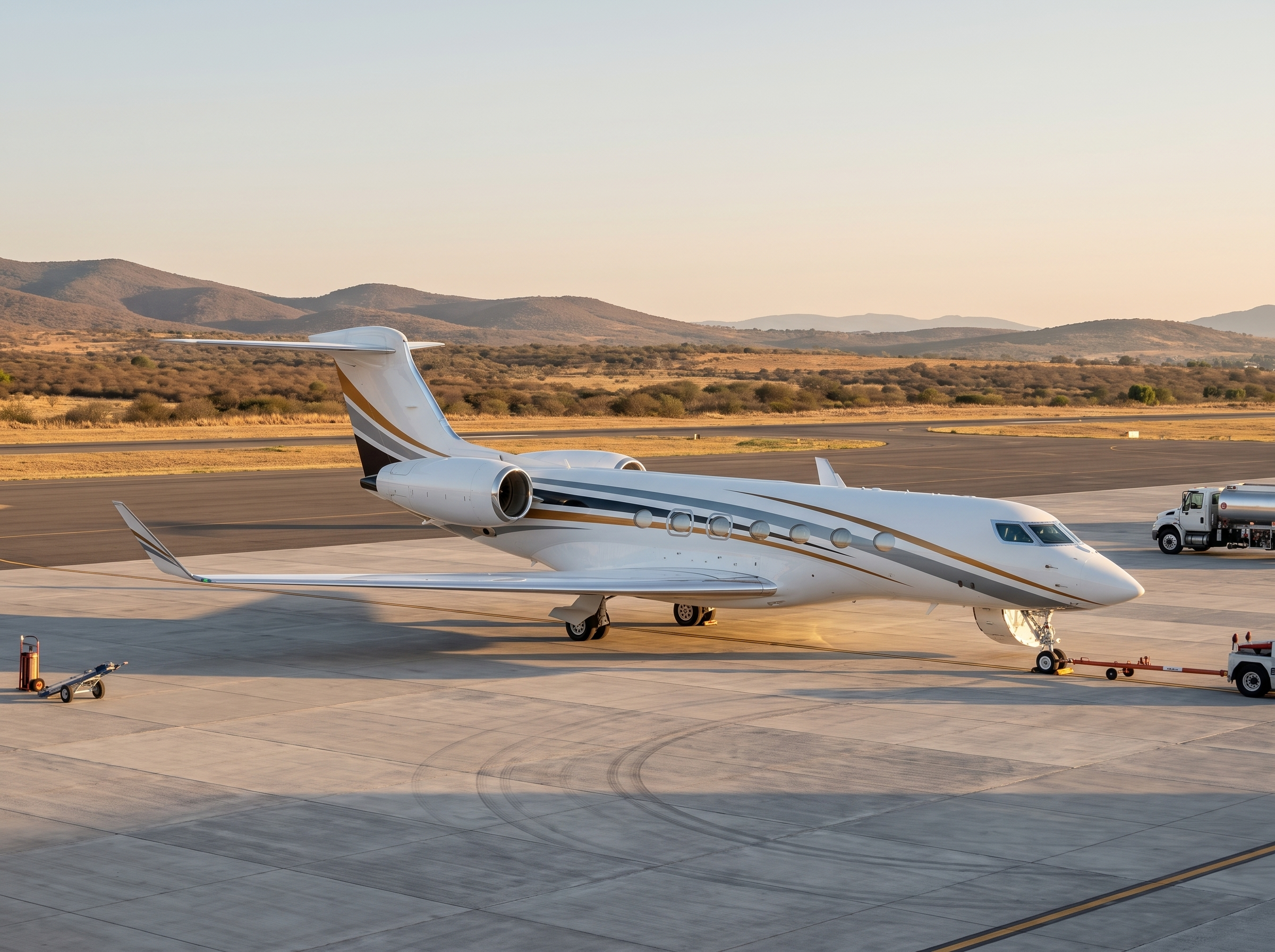
Flight support coordination around a business aircraft
FBO & Supplier Coordination

More options. Better context for the decision.

FBO selection

Review the local service structure against aircraft and mission requirements.

Fuel sourcing

Compare relevant fuel arrangements where practical and available.

Handling & aircraft services

Keep requested services connected to the selected provider and turnaround.

Parking

Review ramp availability and applicable reservation requirements before high-demand operations.

Crew & passenger logistics

Coordinate hotels, transportation and onward movement around aircraft timing.

Central follow-through

Keep local providers connected to the operator through one mission-level coordination point.

Request U.S. Flight Support

Flying into the United States? Start with the airport.

Share the aircraft, origin, U.S. destination and operating date. Continue with FBO, fuel, international arrival or destination requirements around the mission.

International entry, airport access, FBO and service requirements should be reviewed against the specific mission and current operating conditions.

U.S. Flight Support FAQ

Before operating into the United States.

CBP requires APIS manifest transmission for private aircraft arriving into or departing from the United States on international operations. The applicable submission and arrival procedures should be reviewed for the specific mission.

No. For international general aviation arrivals, the responsible CBP port must also be contacted to secure permission to land and confirm local processing procedures.

Certain general aviation aircraft arriving from specified areas south of the United States may otherwise be required to land at designated airports for CBP processing. An applicable Border Overflight Exemption can modify that requirement when approved.

Yes. Certain airports or special operating periods can involve PPR, reservation or traffic-management requirements. Current airport information, NOTAMs and applicable procedures should be reviewed before the mission.

Where relevant alternatives are available, Aerxia can review local options around operational suitability, service requirements and commercial context for the mission.

Yes. Aerxia can coordinate mission requirements across both sides of a U.S.–Mexico operation, including flight support, applicable border procedures, handling, aviation fuel, crew, passenger and transportation requirements.

Aerxia coordinates applicable services with FBOs and local providers according to the airport and mission. The service structure can vary between destinations.