Aircraft Positioning
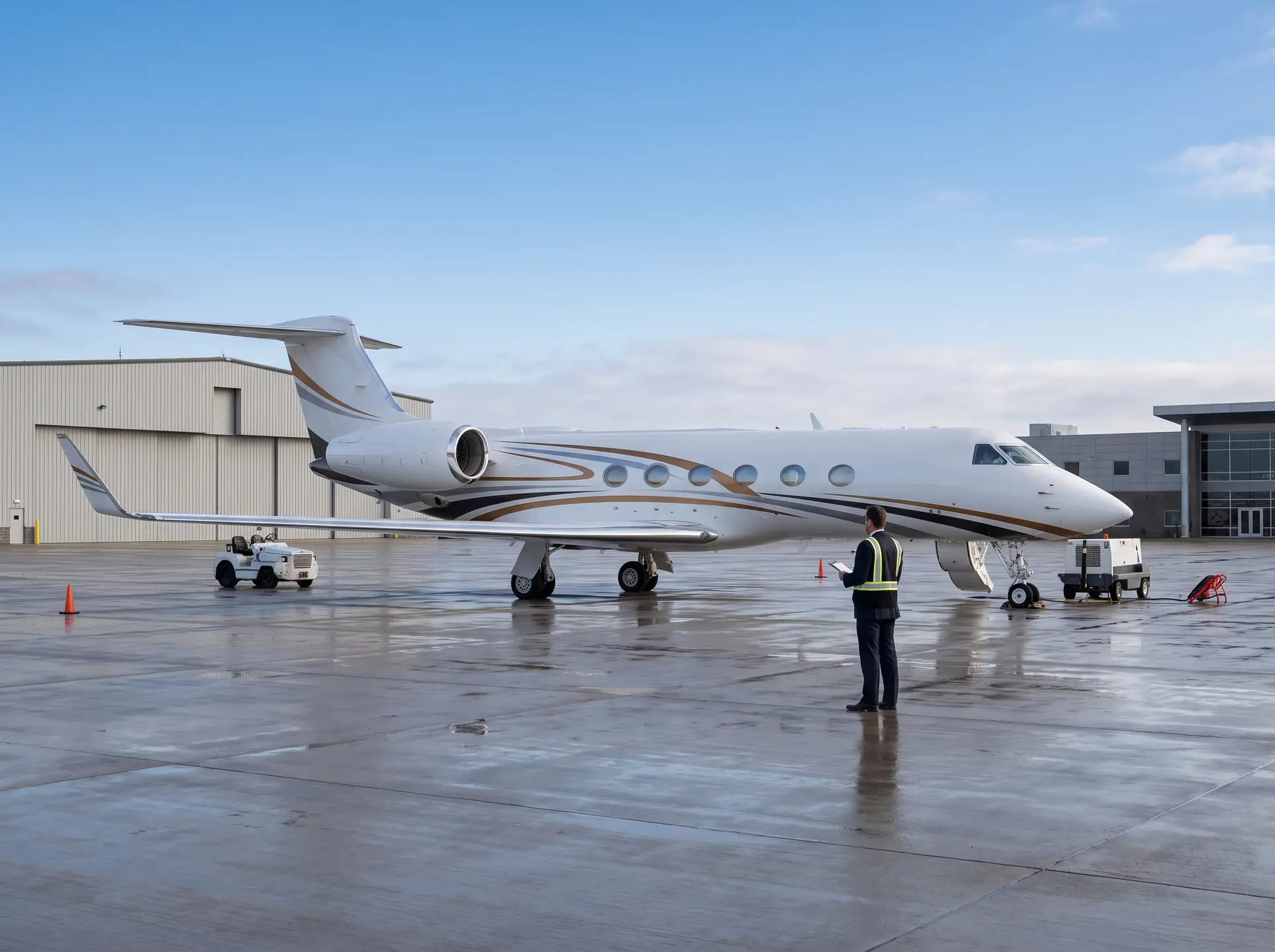
Ramp positioning and aircraft movement requirements are coordinated around the local operating environment.
Aerxia coordinates ground handling around the complete mission, connecting aircraft arrival, ramp support, local services and departure readiness through one operational workflow.
From arrival to departure, Aerxia keeps the services surrounding the aircraft aligned with the schedule, crew and operational requirements of the mission.
Aircraft arrival creates a chain of operational requirements. Aerxia coordinates the people, services and timing around that sequence so the aircraft can move from arrival through departure without fragmented ground support.
Ground requirements are aligned with the planned arrival, aircraft profile and local operating environment.
Aircraft positioning and required ramp support are coordinated around the operational needs of the mission.
Required ground services are connected to the same schedule rather than treated as separate operational requests.
The ground operation remains connected to departure timing and the next phase of the mission.
The aircraft may be stationary. The operation never is.
Aerxia coordinates the arrival sequence around the aircraft, ramp environment and mission schedule so positioning, reception and the first ground services are ready when the aircraft reaches the stand.
Arrival coordination connects the aircraft to the ramp environment and the ground services that follow, reducing unnecessary gaps between touchdown and service execution.
The aircraft should not arrive before the operation is ready to receive it.
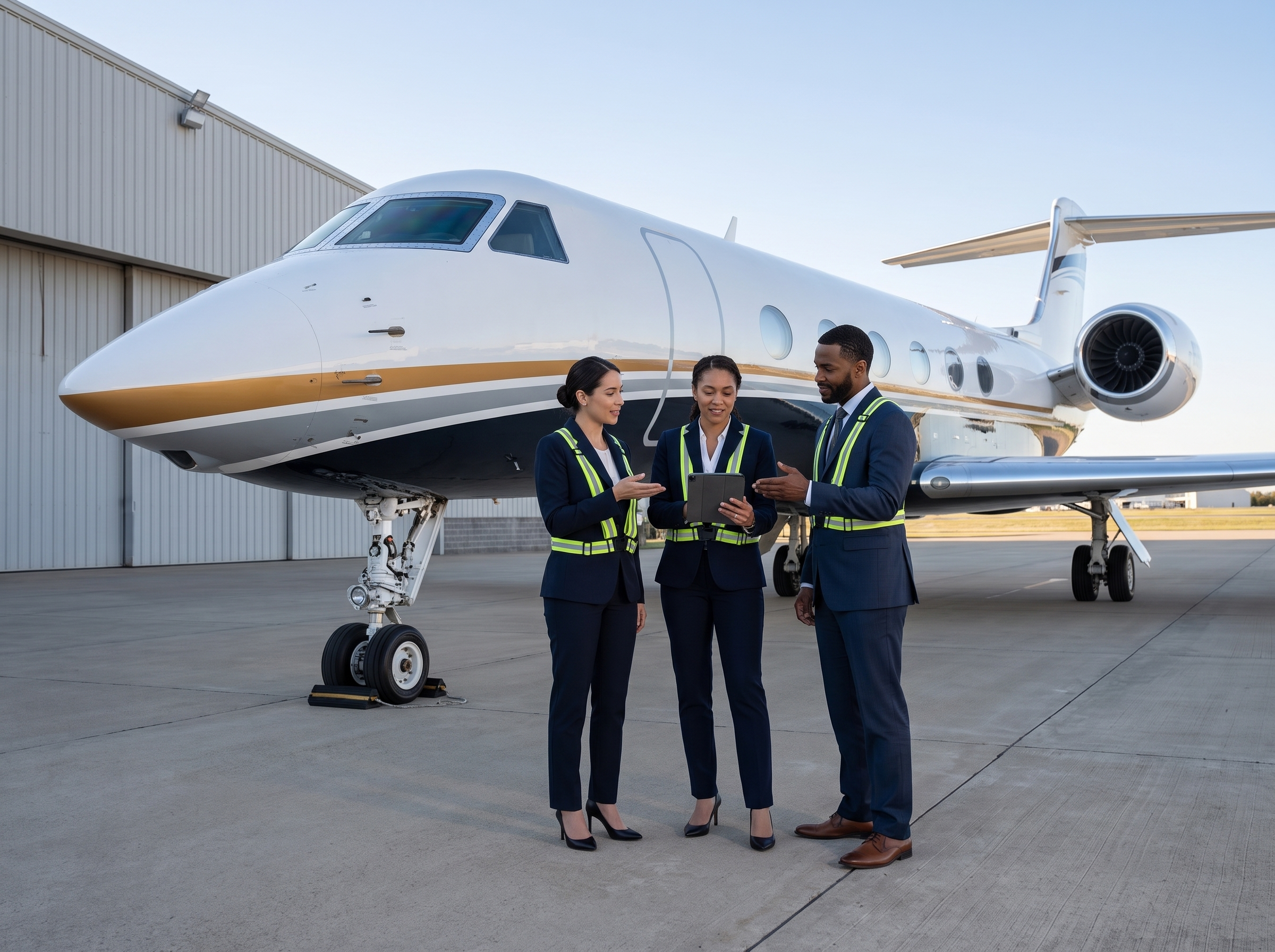
Ground operations can involve multiple providers and service requirements around a single aircraft. Aerxia keeps those activities coordinated around the same mission timeline.
Ramp positioning and aircraft movement requirements are coordinated around the local operating environment.
Required ground support equipment is coordinated according to aircraft and operational requirements.
Passenger arrival or departure activity remains aligned with the aircraft and ground operation.
Crew requirements remain connected to the same handling timeline and departure plan.
Required aircraft services are coordinated in sequence according to the mission schedule.
Ground activity remains connected to planned departure timing and the next stage of the mission.
The services may come from different places. The aircraft experiences them as one operation.
Aerxia keeps ground activities connected to the same aircraft, schedule and mission picture so coordination remains clear throughout the stop.
Aerxia keeps visibility on the ground operation as services are delivered, helping connect providers, aircraft requirements, mission timing and unexpected operational changes.
Required ground services remain connected to the aircraft and mission timeline before execution begins.
Operational progress is kept visible as handling activity develops around the aircraft.
Ground service activity is kept aligned across the various parties involved in the stop.
When requirements change, the ground operation can be reconnected around the updated mission.
Booking the service is not the finish line. The aircraft still needs the service delivered correctly.
Ground handling continues until the aircraft is prepared for its next movement. Aerxia keeps service completion, crew and passenger timing, aircraft requirements and departure readiness connected throughout the turnaround.
A successful stop is not measured only by arrival. It is measured by how ready the aircraft is to leave again.
Aerxia keeps the handling sequence connected through departure, helping ensure the ground operation supports the next phase of the mission rather than becoming a delay between flights.
Aerxia connects local ground execution to one operational mission picture, helping operators maintain visibility, coordination and accountability throughout the aircraft stop.
Ground services are coordinated around the complete operation rather than treated as isolated requests.
Service execution and ramp activity remain connected to the operational picture while the aircraft is on the ground.
Multiple local services can be managed through one mission relationship instead of several disconnected workflows.
When schedules or requirements change, ground coordination can be realigned around the updated operation.
Less fragmented ground support. More control over what happens around the aircraft.
Share your aircraft, airport, schedule and required ground services. Aerxia can coordinate ground handling as an individual service or as part of complete flight support.